Crochet Supplies for Beginners: The $20 Starter List
Exactly what to buy to start crocheting. Hooks, yarn, the two cheap accessories that matter, and the things you can safely skip.
On this page14 sections▾
You need two things to crochet. A hook and yarn. Everything else on every starter list you'll read is either optional or marketing.
That said, two more items for $5 total will make the first few hours less frustrating, and there are real reasons to pick one type of hook and one type of yarn over the others when you're learning. This guide is what to buy for crochet supplies for beginners and, equally important, what to skip.
The four-item starter list
| Item | Cost | Notes |
|---|---|---|
| One 5mm (US H/8) hook | $3-5 | Bamboo or aluminum. Either works. |
| One skein worsted-weight acrylic yarn, light color | $4-7 | 150-200 yards is plenty for a first project. |
| A tapestry needle (for weaving in ends) | $2-3 | You'll need this within an hour of finishing your first project. |
| Stitch markers, or substitutes | $0-3 | Paperclips work fine. Save the money. |
Total: $9 to $18. You'll have change from a $20 bill.
Hooks: what to actually buy
Hooks come in different materials and sizes. As a beginner, ignore the variety and pick one of two materials in one of three sizes.
Material. Bamboo or aluminum. Bamboo has slight grip that keeps loops from sliding off mid-stitch, which is good for learners. Aluminum is smoother and faster once you have technique. Both are under $5. Pick whichever your craft store has. Skip plastic hooks (cheap but brittle, the head can split mid-project) and ergonomic-handle hooks (more useful once you crochet for hours at a time, not necessary on day one). Skip premium materials (wood, carved handles) until you've finished at least three projects and know your preferences.
Size. US H/8 (5mm), US I/9 (5.5mm), or US J/10 (6mm). All three are in the worsted-weight zone. Get H/8 if you have to pick one; it's the most-called-for size in beginner patterns.
A set of 8 hooks in graduated sizes ($10-15) is fine if you know you'll keep crocheting, but it's not the cheapest way to start. One $4 hook is the cheapest way to start.
Yarn: what to actually buy
Worsted-weight (medium, #4) acrylic, in a light color. That's the whole recommendation.
Why worsted weight. Thick enough to see each stitch as you make it, thin enough that the finished fabric drapes correctly. Most beginner patterns are written for worsted. It's also the cheapest commonly-stocked yarn category.
Why acrylic. Five dollars a skein. Washable. Doesn't pill the way wool does when you keep frogging your work. The texture is forgiving; mistakes show less than they would in wool or cotton. Once you've finished a project and want to make something nicer, switch to wool. For learning, acrylic.
Why light color. You need to see your stitches. Dark navy and black yarns hide everything you're trying to learn. Cream, pastel pink, light gray, soft yellow: any of these. Saving the dark colors for when you can crochet without looking.
How much. A dishcloth needs about 100 yards. A small scarf needs 400 to 600. A standard skein of worsted acrylic is 150 to 200 yards. Buy one or two skeins for your first project, depending on what you're making. If you fall in love with crochet, you'll buy more yarn for the rest of your life; there's no need to hoard on day one.
Yarn fiber to avoid as a beginner. Novelty yarns (eyelash, fuzzy, boucle) hide the stitches and make learning miserable. Cotton is fine but stiffer and less forgiving than acrylic. Wool is beautiful but pills if you frog repeatedly. Skip all three until you've finished one project.
What's actually useful beyond the basics
After your first project finishes, a few items actually improve the workflow.
A tapestry needle. Required for weaving in ends. A plastic one ($2) or a metal one ($3) both work; metal is slightly easier to thread but plastic is fine.
Stitch markers. Useful but not required. Paperclips, safety pins, or a small loop of contrast yarn work just as well as the dedicated $3 markers. Save the money for yarn.
A measuring tape. Useful for the moment you start making things that need to be a specific size. Any cloth tape measure works. Don't buy a special crochet one.
A project bag. A pillowcase or grocery bag works. Buy a real bag if you want, but it's a lifestyle purchase, not a craft purchase.
What to skip
A "starter kit" with 20+ hooks in colors you don't need, three balls of dingy variegated acrylic, a row counter, a hook organizer, a hook gauge, scissors marketed as crochet scissors, and a tote bag with embroidered hooks on it: $35 to $50 of stuff you don't need. The same money buys ten skeins of yarn, which is what actually keeps you crocheting.
Specifically skip:
- Ergonomic hooks until you crochet for hours daily. They're for repetitive strain prevention, not learning.
- Hook sets of more than 8 sizes for now. You'll use three sizes for the first six months.
- Row counters. A piece of paper works.
- "Crochet scissors." Any small scissors work. The marketing is the only difference.
- Premium yarns marketed to beginners. Hand-dyed merino is for projects you actually want to keep, not for the work you'll throw away while you learn tension.
Where to buy
The cheapest reliable option for the beginner kit is a chain craft store (Michaels, Joann, Hobby Lobby) with a coupon. They always have one running. A 40% off coupon takes the $4 hook to about $2.50.
Amazon works too, with the caveat that you can't feel the hook before you commit. A bamboo hook from a brand with 1,000+ reviews is fine.
Independent yarn shops are wonderful but typically don't carry the cheap acrylic that's right for learning. Save them for your second or third project once you want better yarn.
What to make first
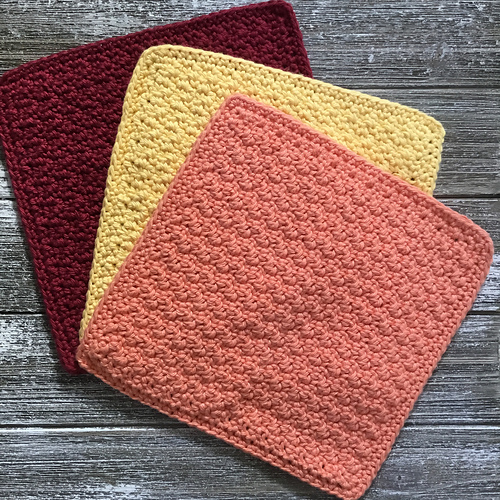
Once you have the supplies, the right first project is a dishcloth. Small, fast, forgiving, useful.
Spread the Dishcloth Joy
Find this pattern on HoneyBee
Catherine Richardson. Worsted weight, single crochet base with a small stitch repeat, beginner-friendly. The whole project finishes in 3 to 5 hours and uses exactly the supplies on the starter list above.
FAQ
Should I buy a beginner kit instead of individual items?
Maybe. Kits run $20 to $30 and bundle the hooks, yarn, and tools. The convenience is real. The downsides: you often get hook materials you don't want (cheap plastic), colors you wouldn't pick, and accessories you won't use. Buying separately costs slightly less and gets you exactly what you want.
Is wool yarn worth the upgrade?
For learning, no. For projects you actually want to keep, yes. Wool blocks crisper, drapes better, and pills less in normal use. It's also more expensive and harder to work with when you're still building tension. Use acrylic for the first project; switch to wool for the second.
Can I use yarn from a thrift store or a relative's stash?
Yes, if it's worsted weight and not novelty yarn. Yarn doesn't expire. Acrylic from a 1970s craft basket still works, even if the color reads dated.
Will expensive hooks make me a better crocheter?
No. Technique improvement comes from practice, not gear. Spend $4 on a hook, use it for six months, then upgrade if you want.
Related guides
- How to Crochet for Beginners
- How to Read a Crochet Pattern
- Knitting Supplies for Beginners
- Knitting vs Crochet
For yarn weight conventions and substitution rules, the Craft Yarn Council's yarn weight system is the universal reference.
Buy the four-item list. Crochet a dishcloth. Decide whether you want to do this for the rest of your life.
More from the HoneyBee blog
Pattern round-ups, tutorials, and crafting inspiration from the HoneyBee community.
Read more articles