
12 Free Crochet Stuffed Animal Patterns Kids Will Love
12 free crochet stuffed animal patterns. Farm, safari, ocean, and woodland creatures, with yarn weight and time-estimate notes.
On this page18 sections▾
A handmade stuffed animal sits at the top of the gift hierarchy for kids. The proportions don't have to be exact, the stuffing absorbs any tension irregularity, and the small imperfections become the character. These 12 free crochet stuffed animal patterns are sorted by animal category: farm, safari, ocean, woodland. Most are beginner-rated and finish in five to fifteen hours of work — last-minute-gift territory if you start now.
Farm Animals
Classic Stuffed Bunny

Find this pattern on HoneyBee
ChiWei Ranck. Super-bulky weight, photo tutorial. The bulky yarn produces a substantial floppy-bunny shape with real heft. Stuff this one firmly enough to hold its silhouette but loose enough that the body squashes when a child grabs it.
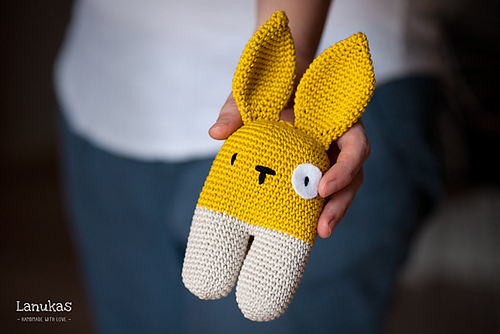
Rattle Bunny Two-Legged
Find this pattern on HoneyBee
Lanukas. Fingering weight, minimalist construction. Includes instructions for adding a baby-safe rattle insert before the final stuffing. The fingering weight makes it small enough for a baby to grip with one hand.
Safari and Jungle Creatures
The Sleepy Fox

Find this pattern on HoneyBee
Eserehtanin. Gauge-flexible — whatever yarn weight you grab works, the finished fox just changes size. The closed-eye embroidery skips the safety-eye decision, which makes this the safest of the bunch for very young children.
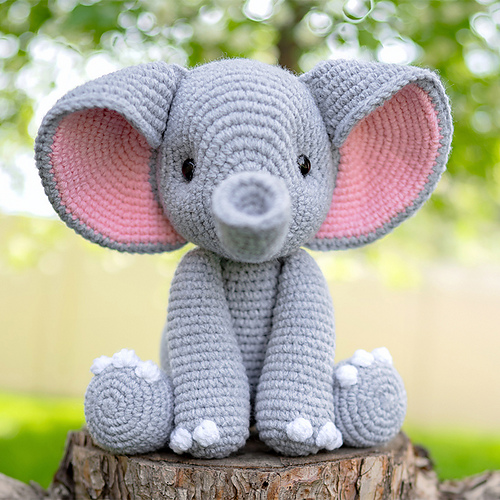
Esther the Elephant
Find this pattern on HoneyBee
Jess Huff. Worsted weight, worked in the round for the body, with attached trunk and limbs. The trunk is what makes or breaks the finished elephant — stuff it densely and shape it slightly upward to keep it from drooping.
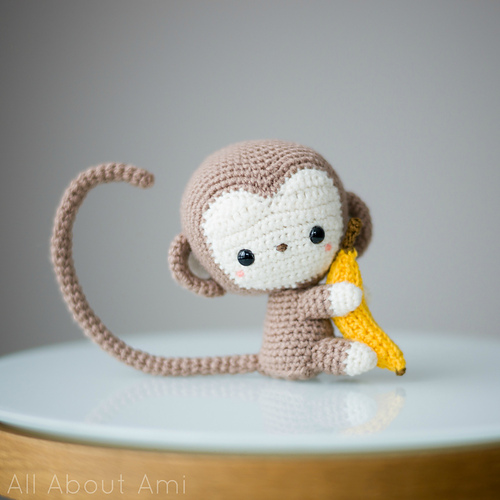
Chinese New Year Monkey
Find this pattern on HoneyBee
Stephanie Jessica Lau. DK weight, intermediate, with photo tutorial. The intermediate rating is for the shaping rather than the stitch work — getting recognizable primate proportions takes care with limb attachment and face placement.
Ocean Animals
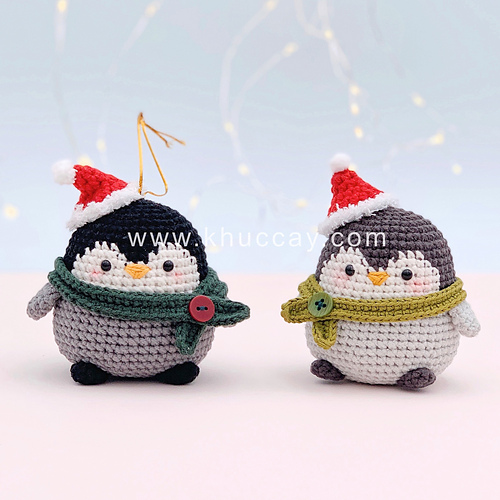
Pew the Baby Penguin
Find this pattern on HoneyBee
Khuc cay. Beginner. The classic upright-penguin silhouette, sized small enough to finish in an evening. Two-color body construction without stranded colorwork — you switch colors at clean horizontal boundaries.
Mini Amigurumi Octopus
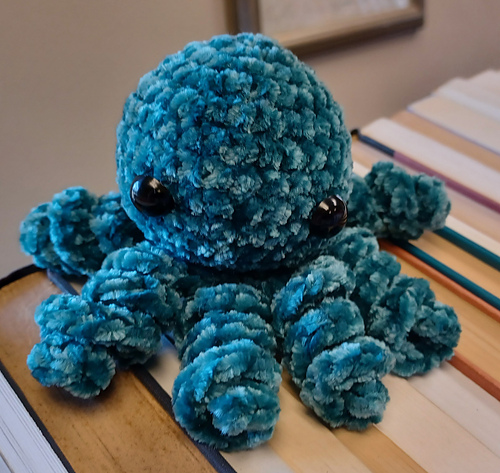
Find this pattern on HoneyBee
Sarah Hearn. Gauge-flexible, with eight separate tentacles attached at the end. Photo tutorial. The small scale makes this a good batch project — make three in different colors as gift trio.
Woodland Friends
Amineko Crocheted Cat

Find this pattern on HoneyBee
Nekoyama. Light-fingering weight, worked in the round, with a chart and photo tutorial. The fine yarn produces tighter, more refined stitches than worsted-weight amigurumi. Slower to make, more polished finished.
Cube Kitty Cat
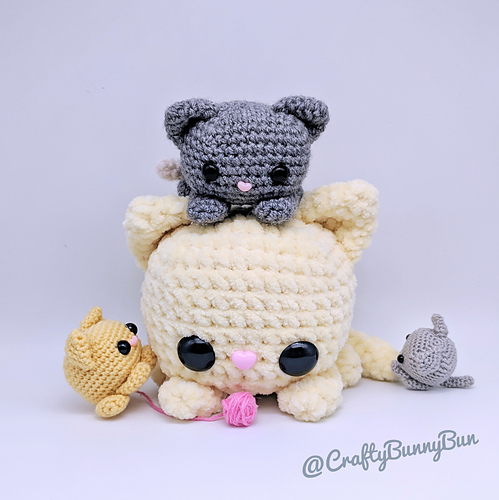
Find this pattern on HoneyBee
Crafty Bunny Bun. DK weight, near-cubic body shape. The geometric construction reads as deliberately modern rather than wonky. Good gift for kids who already have ten round amigurumi cats and need something different.
Teddy Bear

Find this pattern on HoneyBee
Sharon Ojala. Worsted weight, with both photo and video tutorials. The classic teddy-bear silhouette — the kind of toy that becomes the one the child sleeps with for years. Use a soft acrylic or wool blend so it survives weekly washing.
Plushy Bear

Find this pattern on HoneyBee
Tóth Dominika. Super-bulky weight, finishes fast. The super-bulky yarn turns this into a couple-hour project rather than a weekend one. Useful when you need a finished toy by tomorrow.
Dinosaur Brontosaurus Amigurumi

Find this pattern on HoneyBee
StringyDingDing. Yarn-weight flexible. The long-necked silhouette is the design — pick a color that catches the eye, since the shape does the rest. Dinosaur-loving kids will recognize the brontosaurus profile immediately.
Fleece Teddy & Bunny
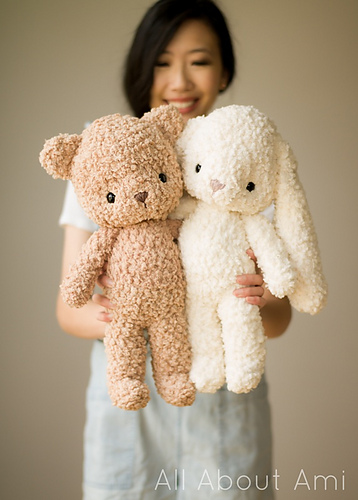
Find this pattern on HoneyBee
Stephanie Jessica Lau. Jumbo weight, intermediate. These are oversized — closer to a small pillow than a typical amigurumi. The jumbo yarn means you need a large hook (US Q or larger) and stuffing in volume; a regular bag of fiberfill is not enough.
Tips for Making Amigurumi
Stuff in layers, not all at once. Add fiberfill as the body grows rather than waiting to fill the whole shell at the end. A consistent firmness through the toy beats a denser-at-the-bottom, looser-at-the-top filling that's hard to fix once the toy is closed.
Eyes go on before the head closes. Once stuffed, the inside of the head is inaccessible. Place eyes at the halfway-stuffed point. Position them, look at the toy from across the room, adjust if the expression is off, then continue stuffing.
Embroider features last. Mouths and nose details work better after the toy is fully stuffed because the fabric stretches under fill. Embroidering before stuffing produces lopsided faces.
Use polyester fiberfill, not yarn scraps. Scraps bunch and reshape inside the toy. Fiberfill distributes evenly and stays where you put it. The cheaper option ruins the project.
For kids under three: skip safety eyes, embroider instead. Safety eyes are technically baby-safe when attached correctly, but embroidered eyes eliminate the choking-hazard question entirely.
Browse all amigurumi patterns on HoneyBee or filter by animals or softies.
More from the HoneyBee blog
Pattern round-ups, tutorials, and crafting inspiration from the HoneyBee community.
Read more articles