
Free Cape Crochet and Knitting Patterns
15 free cape, capelet, cloak, and poncho patterns for crochet and knitting. Beginner-friendly designs to dramatic layered wraps.
On this page22 sections▾
Whether you're looking for a cozy layer to throw over your shoulders or a statement piece with dramatic flair, a cape pattern free download can transform your stash into something with real presence. Capes, capelets, cloaks, and ponchos sit in that sweet spot between shawl and garment. They drape beautifully, work up relatively quickly, and suit a wide range of yarn weights and skill levels, from beginner-friendly bulky-yarn rectangles to intermediate lace designs that demand focus.
The appeal runs deep: a well-fitted cape flatters almost every body shape. It moves with you. It works over dresses and jeans equally. A cape reads as intentional without requiring you to learn new techniques. Whether you're building your basics or experimenting with advanced lace and colorwork, a cape pattern free is often one of the best uses for leftover yardage or a focused weekend project.
We've gathered 15 free patterns that range from simple garter-stitch rectangles to intricate lace wraps and colorwork designs. Mix in solid bulky yarns for maximum drama and impact, or choose delicate lace-weight thread for something that almost disappears when layered. Some of these patterns showcase interesting construction methods like mobius twists and seamless top-down shaping. Others focus on drape and texture. Whatever your skill level or yarn stash, the patterns below offer a clear path from yarn to finished garment that you'll actually wear.
Timeless and Elegant Capes
Seascape Stole
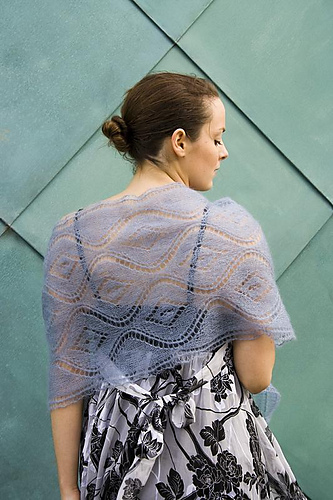
A flowing, openwork lace rectangular stole with gradient shading
Find this pattern on HoneyBee
This is an intermediate lace project that reads as pure elegance. The all-over lace pattern creates an airy fabric that drapes without bulk, making it perfect for layering over evening wear or wearing solo as a statement wrap. Worked flat in one piece from a chart and written pattern, it uses lace-weight yarn and showcases techniques like yarn overs and decreases that build visual rhythm. The rectangular silhouette works across most body sizes with just a single sizing decision at the cast-on. Pattern by Kieran Foley. Budget 20-30 hours for this one; the meditative rhythm of lace stitches makes it an excellent project for falling into a rhythm.
Anthropologie-Inspired Capelet

A cropped, fitted capelet with eyelets and front fastening
Find this pattern on HoneyBee
If you've admired that boutique-brand cropped style, this pattern delivers it in bulky yarn with surprising simplicity. Worked flat from the top down as one piece, the design uses eyelets (paired decreases and yarn overs) that create visual interest while keeping the construction straightforward. The front fastening and ribbed edges give it a tailored finish. Beginner-friendly and quick. Pair it with a worsted or aran weight in cream, navy, or heather gray for maximum wearability. Pattern by Julia Allen.
City Cape

A textured, rectangular cape in neutral tones
Find this pattern on HoneyBee
Sometimes the best designs are deceptively simple. This textured cape in aran-weight yarn works flat from the bottom up in a straightforward rectangle, relying on stitch texture rather than complex shaping to create visual interest. The texture catches light and adds dimension without requiring colorwork or advanced techniques. Beginner level. Works in one color or pairs well with a contrasting trim. Perfect for using up a partial skein and finishing in an afternoon. Pattern by Purl Soho.
Dramatic Cloaks and Oversized Wraps
Hooded Cloak
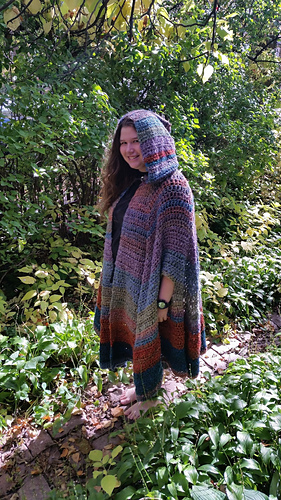
A striped, reversible cloak with an attached hood
Find this pattern on HoneyBee
The hood is what makes this design special. A reversible colorwork structure means you get two coordinating colorways in one project, and the attached hood elevates the whole thing from casual wrap to statement garment. Worked flat from the top down using stripes and simple colorwork, it uses bulky yarn so it comes together quickly despite the dramatic silhouette. Beginner-friendly despite the colorwork, because the stripes are simple and forgiving. Pattern by Dillon Ekle. This is an excellent gift project for someone who loves wearing layers.
Kathy Kelly Cabled Capelet
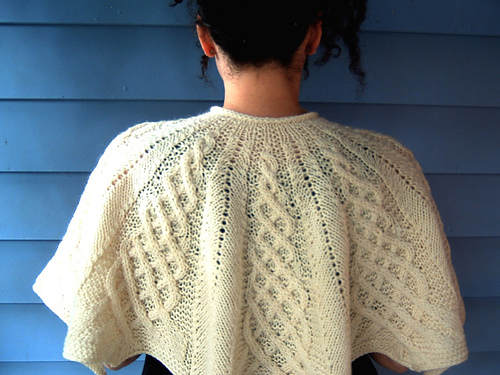
A fitted capelet with raised cable motifs
Find this pattern on HoneyBee
Cable patterns command attention, and this intermediate design uses them across the full fabric for maximum visual impact. Worked seamlessly in aran-weight yarn, the one-piece construction keeps things organized, and the cables give you a reason to love the process. The fitted shape drapes elegantly over shoulders. Cable experience helps but detailed charts make it followable even if cables are new to you. Pattern by Renate Haeckler.
Ruffled (REVISED) Shawl/Cape

A bulky-yarn wrap with ruffled edges and textural detail
Find this pattern on HoneyBee
The ruffled edges distinguish this design from a standard rectangular wrap. Worked in bulky yarn for speed, the seamed construction keeps everything organized and the ruffles add personality. Beginner-friendly and quick enough for a weekend project. The generous yardage makes it work beautifully as a full-body wrap or shoulders-only layer. Pattern by Linda Kaye Smith. Choose a self-striping yarn to add even more visual interest.
Seascape
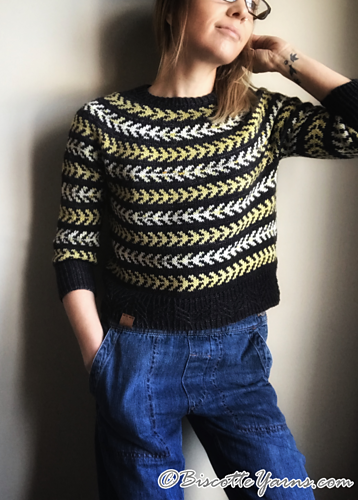
A fitted, yoked sweater-cape hybrid with stranded colorwork
Find this pattern on HoneyBee
This intermediate design blurs the line between sweater and cape. A circular yoke with stranded colorwork and twisted stitches creates visual complexity, while the seamless, top-down construction keeps the work organized. Worked in DK weight, it uses stranded colorwork and requires chart reading, but the yoke is where all the magic happens. The finished piece layers beautifully over anything. Pattern by Biscotte Yarns. Budget 25-35 hours and enjoy the meditative process of colorwork.
Quick Capelets and Scarves
Easy Mobius Capelet

A reversible mobius-loop capelet in ribbed knit
Find this pattern on HoneyBee
Mobius magic makes this special. The twist in the construction means you have a true two-sided garment with no wrong side, giving you maximum outfit versatility. Worked in the round in DK-weight yarn using simple ribbed stitches, it's beginner-friendly despite the conceptual novelty. The video tutorial clarifies the mobius twist if you've never made one. Reversible designs are practical for everyday wear and reduce the stress about yarn colors and finishing. Pattern by Haley Waxberg.
Kit's Christmas Cape
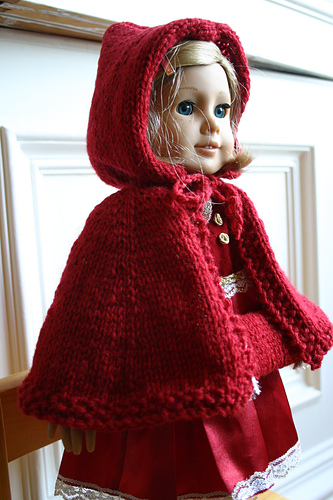
A small decorative cape for amigurumi or doll
Find this pattern on HoneyBee
This petite cape pattern works beautifully for craft dolls, stuffed animals, or an ornamental decoration. The simplicity of the written pattern makes it accessible for beginners, and the small yardage requirement means you can use treasured scraps. Aran weight works up quickly. Pattern by Cathy Bird. A charming way to dress up a gift or experiment with color combinations.
Saddlebrook Cape Scarf

A striped, colorwork cape in bulky yarn
Find this pattern on HoneyBee
The word "scarf" in the name undersells what is genuinely a wearable cape. Worked flat in one rectangular piece from the bottom up using bulky yarn and simple colorwork, the stripes create visual movement without requiring chart work. Seamless and straightforward. Beginner-friendly and finishable in a long weekend. The straight edges make it easy to customize length to your preference. Pattern by Alexandra Tavel.
Textured and Layered Styles
Cowl Hooded Capelet Poncho
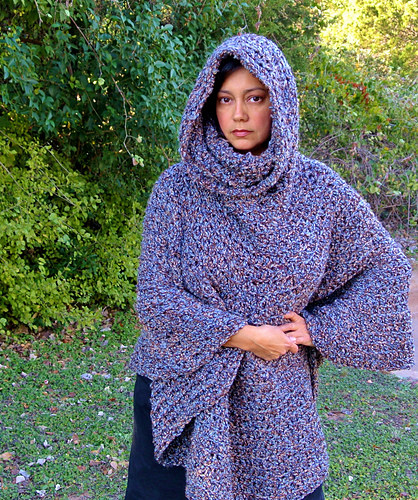
A super-bulky layered wrap with integrated hood and cowl
Find this pattern on HoneyBee
The feature list reads like a wish list: integrated cowl, attached hood, one-piece seamless construction. Worked in the round in super-bulky yarn means this finishes impossibly fast, making it ideal when you need a gift on short notice or want to test the waters with a new yarn. Beginner-friendly and satisfying. The super-bulky weight means the garment has real heft and presence. Pattern by Celina Lane. One ball (or close to it) of super-bulky yarn might be all you need.
Mountain Capelet
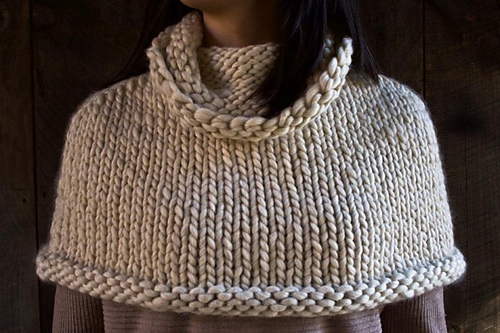
A rounded, textured capelet in super-bulky yarn
Find this pattern on HoneyBee
Simplicity is the point here. Worked in the round from the bottom up in super-bulky yarn using straightforward stitches, the focus stays on how beautifully the heavy yarn drapes and shapes. Beginner-friendly and quick. The rounded silhouette suits different body types. The one-piece construction means no finishing work to interrupt your satisfaction. Pattern by Purl Soho.
Brianna's Reunion Capelet
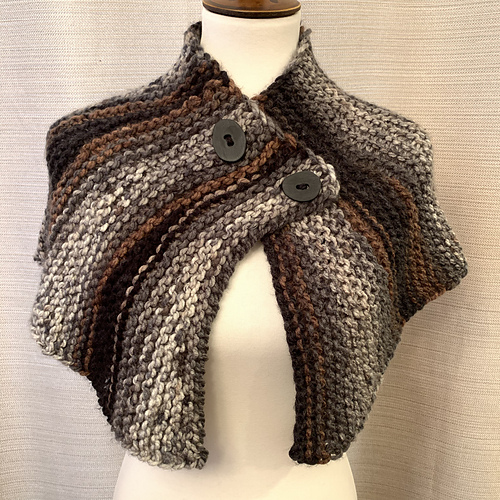
An asymmetric, buttoned capelet in bulky colorwork yarn
Find this pattern on HoneyBee
Asymmetry and front fastening make this design stand out. The stripes and colorwork are beginner-friendly (no charts, just color changes), but the buttonholes and short rows add sophistication to the silhouette. Worked in bulky yarn, it comes together quickly. The buttoned closure means you can adjust the fit and style. Beginner to intermediate. Pattern by Scottish Princess.
Fair Isle Capelet
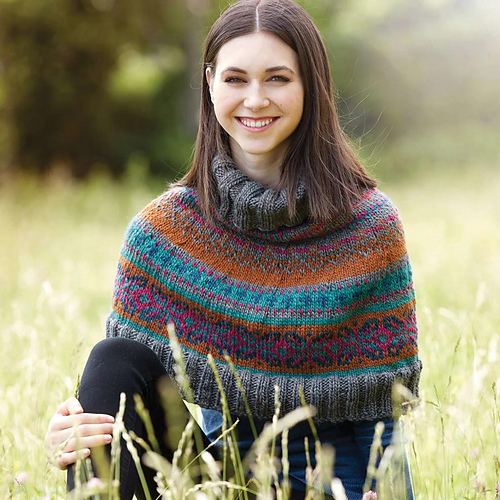
A patterned capelet with stranded colorwork in bulky yarn
Find this pattern on HoneyBee
Fair Isle appeals to knitters who love color and pattern but want to skip the chart-reading stress. This bulky-yarn capelet uses stranded colorwork that reads beautifully at this weight. Worked in the round from a chart. Beginner-friendly if you've done stranded colorwork before; intermediate if it's your first time, but the heavy yarn makes the tension forgiving. Pattern by Bernat Design Studio.
#22 Cape

A seamed, structured cape in lace-weight yarn
Find this pattern on HoneyBee
Lace-weight yarn creates an elegant, delicate final product. Worked flat in one piece with seamed construction, the lace-weight fabric creates a beautiful drape without the bulk of heavier yarns. Beginner-friendly. The lightness makes this ideal for layering over anything, from a t-shirt to an evening dress. Pattern by Lana Grossa.
Tips for Choosing Your Cape Pattern
Yarn weight and drape: Bulky yarn capes come together fast and make a bold statement, while lace-weight versions drape silkily and disappear under other layers. Worsted and aran sit in the middle with good balance of speed and elegance.
One-piece construction: Most of these patterns work up as one or two pieces with minimal seaming, which keeps finishing simple and preserves the meditative flow of knitting or crochet.
Skill level honesty: Labels like "beginner" matter. Simple stitch patterns let the yarn do the work, while cables, colorwork, and lace require active attention. Choose based on your current projects, not where you want to be.
Versatility in wear: Capes work over dresses, over jeans, as independent wraps, and as layering pieces. The investment in the time and yarn gets multiplied by how much you actually wear it.
FAQs About Cape Patterns
How much yardage do cape patterns typically need? Beginner capes in bulky yarn often need 800-1200 yards. Intermediate lace capes might use 1500-2000 yards due to the openwork structure. Check the pattern requirements rather than guessing, but generally you're working with partial skeins or leftover project yardage.
Can I substitute a different yarn weight into a cape pattern? Not without significant math. Yarn weight affects gauge, which affects dimensions. Stitch patterns designed for one weight often look very different at another weight. Choose patterns that match the yarn you have rather than trying to force a substitution.
Do capes require blocking? Lace and colorwork capes benefit from blocking to open up stitches and even out your work. Garter stitch and ribbed capes can skip it. Check the pattern notes for recommendations.
What's the difference between a cape, capelet, cloak, and poncho? Not much, structurally. "Cape" and "capelet" are shoulder-only layers, with capelet being the smaller version. "Cloak" emphasizes the dramatic, full-body drape. "Poncho" has an open front. The terms overlap, and many patterns blend elements from multiple categories. Choose based on how you want to wear it, not the label.
How long do these projects typically take? Bulky-yarn beginner capes: 8-15 hours. Intermediate worsted/aran designs: 20-35 hours. Lace capes: 30-50+ hours. Most work beautifully in focused weekend sessions or stretched across a few weeks of casual evenings.
The Cape Project You'll Actually Wear
A well-chosen cape becomes part of your everyday rotation. You'll reach for it on cool mornings, layer it over dresses for depth, and appreciate how it transforms a simple outfit. The patterns above offer clear paths from yarn to finished garment, with honest skill assessments and practical construction methods. Pick the one that matches your current yarn stash, your available time, and your actual wearing style, then dive in. Your shoulders will thank you.
Ready to start a cape project? Browse our /c/shawl collection for more layering patterns, check out /c/crochet or /c/knitting for designs in your preferred craft, or explore /c/wearables for other pieces that build a complete wardrobe.
More from the HoneyBee blog
Pattern round-ups, tutorials, and crafting inspiration from the HoneyBee community.
Read more articles