
The Bobble Crochet Stitch: Complete Guide with Free Patterns
Master the bobble crochet stitch with step-by-step instructions and 15 stunning patterns. Learn technique variations and find the perfect project.
On this page15 sections▾
The bobble crochet stitch creates dimensional, bumpy texture that catches light and adds visual interest to blankets, hats, and garments. Whether you're drawn to intricate mandalas or simple striped baby blankets, bobbles deserve a permanent spot in your stitch toolkit. This guide walks you through the mechanics of the bobble stitch, shows you how to work it smoothly, and rounds up 15 patterns from beginner-friendly to advanced complexity.
What Is the Bobble Stitch?
A bobble is a cluster of partial stitches bunched together and pulled tight into a dimensional bump. The most common bobble uses five double crochets (or sometimes half double crochets) worked into the same stitch, with all loops left on the hook before the final pull-through. The result is a small, firm knot that pops off the surface of your fabric.
Bobbles work as focal points in geometric blankets, add texture to hats and garments, and pair beautifully with post stitches and colorwork. Unlike popcorn stitches, which are completed fully before moving on, bobbles stay loosely on the hook until the final yarn over unites them, giving you slightly more control over tension.
How to Crochet a Bobble: Step-by-Step
The standard 5-double-crochet bobble is the foundation. Once you master this, you can adapt it to any yarn weight or stitch count.
What You'll Need:
- Yarn
- Appropriate crochet hook
- A stitch marker or pattern instructions to identify where bobbles go
Basic 5-DC Bobble:
- Yarn over and insert your hook into the designated stitch.
- Yarn over, pull through (you now have 2 loops on your hook).
- Yarn over and pull through both loops (1 loop remains).
- Repeat steps 1-3 four more times into the same stitch. You now have 6 loops on your hook (the 1 original loop plus 5 new loops).
- Yarn over and pull through all 6 loops at once. This is the defining moment: one smooth motion unites the entire bobble.
- Chain 1 tightly to secure the bobble. Some patterns omit this step or use it selectively; check your pattern.
Why This Works: The single chain after the bobble tightens the knot and prevents it from loosening as you work subsequent rows. The key to a neat bobble is keeping all your yarn overs consistent in tension and pulling through cleanly without splitting the yarn.
Common Mistakes to Avoid:
- Pulling too tightly on the final yarn over (bobbles become stiff and distort the fabric).
- Yarning over unevenly on each of the 5 doubles (inconsistent loops lead to a lumpy bobble).
- Bobbles placed too close together, which causes puckering.
Bobble Stitch Variations
Half Double Crochet Bobbles: Use 4-5 half double crochets instead of double crochets. These bobbles are smaller and less pronounced, ideal for delicate garments or lighter yarn weights.
Triple Crochet Bobbles: More dramatic texture using 3-4 triple crochets. These work best in bulkier yarn and create statement-making dimension.
Popcorn vs. Bobble: A popcorn stitch completes each partial stitch fully before moving to the next, then pulls all of them tight. Bobbles keep loops on the hook, giving slightly different shaping and a softer tension control. Both create texture; use whichever your pattern calls for.
Bobbles on Post Stitches: Working bobbles on front or back post stitches adds even more dimension and is a signature technique in designs like Sophie's Universe.
Bobble Patterns for Every Skill Level
Beginner-Friendly Bobble Patterns
Start here if you're new to bobbles or want a quick project.
Hugs & Kisses Baby Blanket
 Find this pattern on HoneyBee - Hugs & Kisses Baby Blanket
This striped baby blanket combines ripple stitch with bobble accents for a modern take on classic texture. The pattern alternates solid rows with bobble rows, letting you build confidence without overwhelming complexity. Each color block frames the bobbles, making them pop visually. At aran weight, it works up quickly in reds, whites, and blues or any cheerful color combination you prefer. The video tutorial walks through bobble placement step-by-step, making it ideal if you're learning the stitch for the first time.
Bead Stitch Hat
 Find this pattern on HoneyBee - Bead Stitch Hat
Perfect for a first bobble project, this hat uses textured stitches and post stitches to create a beaded effect. Worked in the round from the top down, the design is seamless and forgiving. The bobbles integrate naturally into the overall stitch pattern without standing out as complicated technique. Use a faux fur pom pom on top for an elevated finish. Aran yarn means the hat comes together in an afternoon, and the textured surface hides gauge issues gracefully.
Bobble Lines Baby Blanket
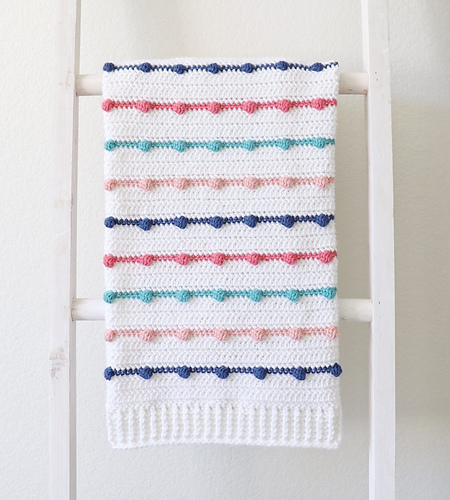 Find this pattern on HoneyBee - Bobble Lines Baby Blanket
Simple, straightforward, and meditative, this blanket works bobbles in vertical lines separated by stripes. Each row is predictable once you grasp the rhythm. DK weight keeps the project lighter than heavier blankets, and the video tutorial reinforces the bobble technique from multiple angles. Great for practicing consistency: you'll crochet dozens of bobbles and notice your tension smoothing out by the end. Consider pastel shades for a nursery or bold colors for a modern look.
Malia Shoulder Bag
 Find this pattern on HoneyBee - Malia Shoulder Bag
A textured bag in worsted-weight yarn showcases bobbles in a practical, wearable design. Worked in the round with buttonholes, the pattern includes ribbing that contrasts with the bobble sections. The finished bag is sturdy enough for daily use and the bobbles add visual softness. This is an excellent beginner project that yields a handmade accessory you'll actually carry.
Intermediate Bobble Patterns
These patterns layer bobbles with other techniques.
Sophie's Universe CAL
 Find this pattern on HoneyBee - Sophie's Universe CAL
A legendary square-by-square blanket that has welcomed countless crocheters into more ambitious designs. Sophie's Universe combines colorwork, bobbles, post stitches, and granny square construction. The stitch guide and photo tutorial support you through unfamiliar techniques. The blanket grows as a collection of squares, so you can spread the project across months of a casual-along (CAL) without feeling rushed. Use aran weight and watch how the bobbles dance against the striped backgrounds. Pattern by Dedri Uys.
Sophie's Garden
 Find this pattern on HoneyBee - Sophie's Garden
A granny square variation by the same designer, Sophie's Garden incorporates bobbles into the squares themselves rather than as scattered accents. This blanket feels more structured than Sophie's Universe while maintaining the warm, textured personality. Surface crochet adds an extra layer of creativity for those ready to expand their skills. Works beautifully in aran weight with a planned color palette or as a scrappy blanket using up yarn stash. Photo tutorial and written pattern both available.
Sophie's Dream
 Find this pattern on HoneyBee - Sophie's Dream
Working in fingering weight makes this rectangle blanket a delicate project despite its intermediate difficulty. Bobbles worked in fingering yarn create fine, elegant texture that photographs beautifully. The pattern uses post stitches liberally to add dimension beyond just the bobbles. This blanket rewards patient, mindful crochet and yields an heirloom-quality finish. Video tutorial and written pattern both included, plus photo inspiration from Dedri Uys.
Dragon Eye Pillow
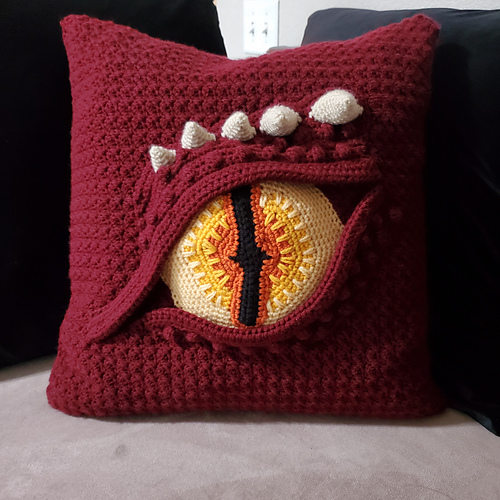 Find this pattern on HoneyBee - Dragon Eye Pillow
A 3-dimensional cushion cover where bobbles form the focal point. The pattern combines bobbles with textured stitches to create an eye-catching design. Worked in aran yarn, the pillow can be stuffed and seamed for a decorative home accent. This project is shorter than a blanket but requires more stitch attention, making it ideal for intermediate crocheters who want a quick finish without sacrificing complexity. Pattern includes photo tutorial.
Grinda Shawl MAL
 Find this pattern on HoneyBee - Grinda Shawl MAL
Lace and bobbles meet in this triangular shawl designed for working along with others. Bobbles appear strategically within lace motifs, creating textured highlights against the open stitch pattern. Fingering weight gives the finished shawl elegance and flow. The chart-based pattern appeals to those comfortable reading symbols. Top-down construction means you can wear it while still in progress. Pattern by Tatsiana.
Better World Dress
 Find this pattern on HoneyBee - Better World Dress
A wearable garment constructed top-down with bobbles and post stitches creating texture throughout. Light fingering weight keeps the dress breathable for warm weather. The bobbles soften the structured silhouette while post stitches add vertical emphasis. This pattern requires solid stitch knowledge but rewards you with a one-of-a-kind garment. Pattern by Kasia Osmolska.
Mixed Stitch Stripey Blanket
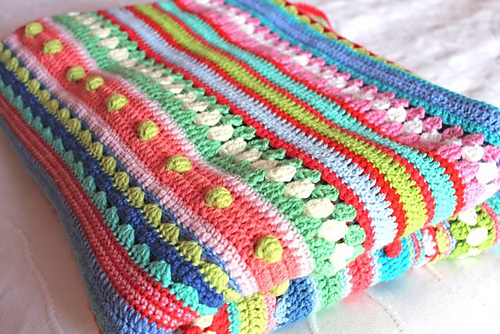 Find this pattern on HoneyBee - Mixed Stitch Stripey Blanket
A clever blanket that mixes bobbles with chevron stitch and other textures in horizontal stripes. DK weight is lighter than aran, making this project easier on the hands despite the stitch variety. The photo tutorial helps you transition between stitch changes. Color choice drives the visual impact, with bobbles creating shadow lines between color bands. Pattern by Julie Harrison.
Advanced Bobble Patterns
These patterns layer bobbles with colorwork, complex construction, or unusual stitch combinations.
The Kaleidoscope Blanket
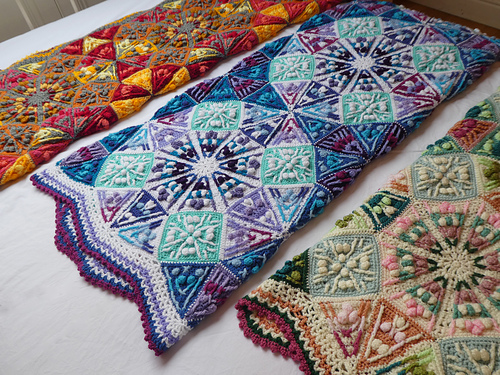 Find this pattern on HoneyBee - The Kaleidoscope Blanket
An architectural blanket combining bobbles with tapestry crochet and intricate square motifs. Worked flat and seamed, this pattern requires comfort with color changes and pattern reading. The advanced construction includes front/back post stitches woven with bobbles to create bold visual impact. DK weight highlights the intricacy of the design. Multiple colorway options allow for personal expression within the pattern structure. Pattern by Catherine Bligh.
Mandala Madness
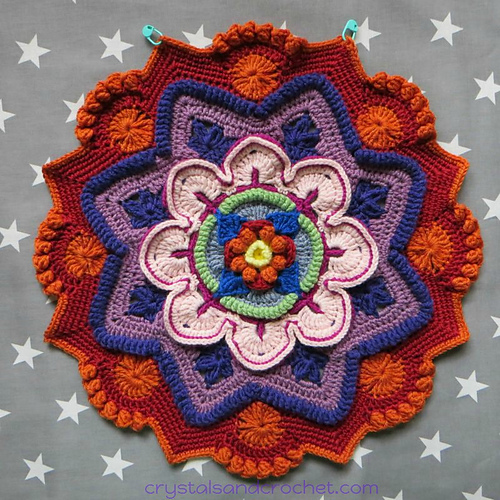 Find this pattern on HoneyBee - Mandala Madness
Circular mandalas with bobbles as focal design elements require advanced crochet literacy. The pattern uses bobbles alongside front/back post stitches in intricate arrangements. Aran weight becomes necessary to keep mandala structure clear at large scale. Video and photo tutorials walk through the unique construction, and working in the round allows you to see your creation evolve in three dimensions. Pattern by Helen Shrimpton.
Christmas Star Ornament
 Find this pattern on HoneyBee - Christmas Star Ornament
Though listed as beginner-friendly by stitch count, the star's 3-dimensional shaping and bobble integration create a finished ornament that feels advanced. Worked seamlessly in the round with aran yarn, this ornament makes a generous holiday gift. The defined structure and bobble placement show off advanced tension skills. Minimal pattern notes mean you need solid foundational knowledge.
Blackberry Salad Striped Baby Blanket
 Find this pattern on HoneyBee - Blackberry Salad Striped Baby Blanket
A striped blanket combining bobbles with stripes and color changes that test intermediate skills. The aran-weight yarn showcases the bobble texture clearly while the stripe pattern provides visual rhythm. Video tutorial and written instructions help you maintain consistent tension across color transitions. This blanket rewards practice with a warm, handmade gift piece.
Tips for Perfect Bobbles
Tension: The most common bobble problem is pulling too tightly. Your final yarn over through all loops should be firm but not strained. If your bobbles look distorted or your fabric puckers around them, ease off slightly on tension.
Yarn Choice: Bobbles show best in solid colors. Variegated or striped yarn obscures the texture. Lighter yarn weights require fewer loops per bobble (use 4 instead of 5) to avoid bulk.
Spacing: Bobbles placed randomly look chaotic. Evenly spaced bobbles (every 3-5 stitches, every other row) create intentional texture. Check your pattern's spacing recommendations.
Blocking: Bobbles soften slightly after blocking with steam. If you prefer crisp definition, avoid aggressive blocking.
Practice: Bobbles are easier than they look once you've made a dozen. Your hands will find a rhythm, and your tension will smooth out naturally. Don't despair if your first ones look lumpy.
Stitch Marker Magic: If your pattern places bobbles sporadically, mark their locations before you start. Use stitch markers or even small pieces of yarn to flag where bobbles belong.
FAQ
What's the difference between a bobble and a popcorn stitch?
A bobble keeps all loops on the hook until the final yarn over, giving you slightly more control and a softer-looking result. A popcorn stitch completes each partial stitch fully before tightening all of them together. Both create texture; use whichever your pattern specifies. Some crocheters find bobbles less dense.
Can I make bobbles in fingering weight yarn?
Yes, but reduce the number of loops. Use 4 loops instead of 5, or even 3 loops for delicate yarns. The bobble will be smaller but still effective. Fingering-weight bobbles work beautifully in lace blankets and lightweight garments.
Why do my bobbles look loose or misshapen?
The most likely culprit is tension on the final yarn over. Make sure all your loops are seated evenly on the hook, and pull through with consistent pressure. If the problem persists, you may be yarning over too loosely on each of the 5 double crochets. Each loop should be snug.
Can I substitute bobbles for popcorn stitches in a pattern?
Most of the time, yes. They create similar visual effects and occupy similar space. However, if the pattern relies on the specific height of a popcorn stitch or mentions gauge heavily, test your substitution on a swatch first. Bobbles can be slightly less tall.
How do I weave in bobble ends?
After you bind off and cut your yarn, thread the tail through a tapestry needle and weave through the bobble cluster itself. The density of the bobble hides the end beautifully. This is one advantage of bobbles over scattered textures.
Get Started
Pick a pattern that matches your skill level and yarn collection. If you're new to bobbles, start with the Hugs & Kisses Baby Blanket or Bead Stitch Hat, both written for learners.
For blanket fans, explore Sophie's Universe CAL, a legendary project that teaches you bobbles alongside granny squares, colorwork, and post stitches. It's the gateway to more complex designs.
If you prefer wearables, Better World Dress and Grinda Shawl MAL showcase how bobbles integrate into garments and add sophistication.
Once you've mastered the basic bobble, experiment with variations: try half double crochet bobbles in lighter yarn, or triple crochet bobbles for dramatic effect. The stitch is endlessly adaptable and gets more comfortable every time you use it.
Happy stitching, and enjoy the tactile satisfaction of making textured, dimensional fabric by hand.
More from the HoneyBee blog
Pattern round-ups, tutorials, and crafting inspiration from the HoneyBee community.
Read more articles